Gear guide
Washing technical fabric: fleece, liners and elastic
Wicking, fleece lining, a UPF rating and a liner all survive a washing machine. None of them survive a hot dryer. Here is the label law and the practice.
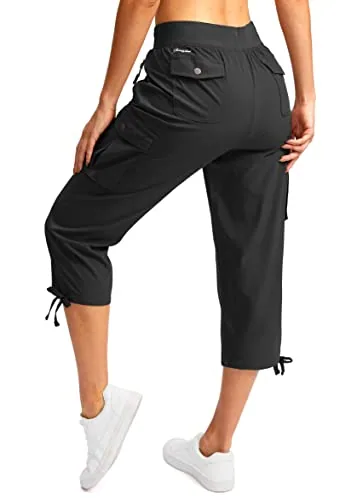
Everything technical about activewear is a property of the yarn or the knit: the wicking, the stretch, the brushed fleece inside a January jogger, the weave that earns a UPF rating. A washing machine leaves all of it alone. A hot dryer takes it apart, one degree at a time, and the pair still looks fine while it happens.
This page goes through what the care label is required to tell you, then through the four things in this range that need particular care: fleece lining, liners, elastic and rated fabric. The counts come from the Soothfeel pieces we list today.
The label is a legal document
The small tag inside the waistband is written to a federal rule, and the rule is specific about what it has to say. Washing first:
The label must state whether the product should be washed by hand or machine.
Federal Trade Commission, 16 CFR Part 423, Care Labeling of Textile Wearing Apparel
Then the temperature, which is where most activewear is damaged. The rule defines the plain words so that a label cannot hide behind them:
Machine wash means hot, warm or cold water can be used.
Federal Trade Commission, 16 CFR Part 423, Care Labeling of Textile Wearing Apparel
So a label that says only machine wash is telling you hot is allowed. A label that says machine wash cold is telling you it is not, and for a stretch knit with spandex in it, cold is the setting to believe. Drying is the same shape:
The label must state whether the product should be dried by machine or by some other method.
Federal Trade Commission, 16 CFR Part 423, Care Labeling of Textile Wearing Apparel
The maker is also required to have a basis for what the label says, which is the reason we quote labels rather than write our own instructions:
To fail to possess, prior to sale, a reasonable basis for all regular care information disclosed to the purchaser.
Federal Trade Commission, 16 CFR Part 423, Care Labeling of Textile Wearing Apparel
That line is from the list of things the rule forbids. Where a Soothfeel page states a care fact it is the maker's own words, and the pieces we can confirm today are counted below.
| Care as stated | Styles |
|---|---|
| Machine Washable | 1 |
Joggers and pants, most rated first
All pants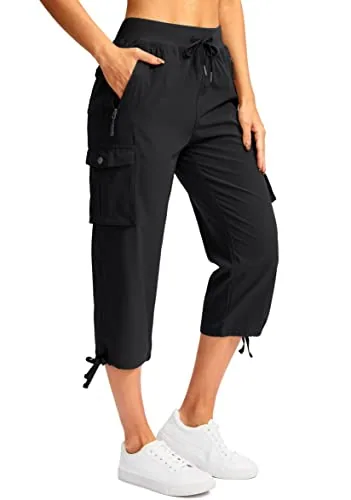

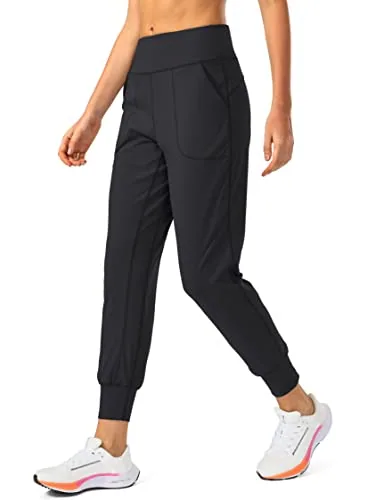
Workout Joggers with Zipper Pockets Petite / Regular / Tall
4.4 out of 5 (4,224) $25.99 - $27.99 Sizes S to L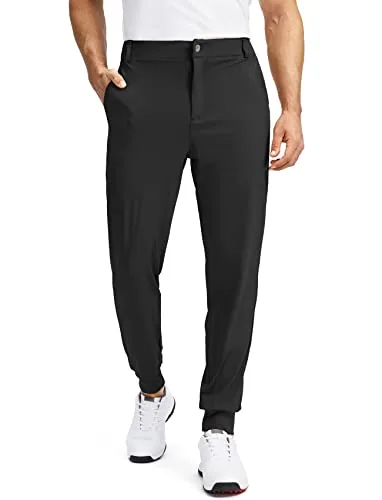
Read the fibre line before the care line
The fibre content tells you what the care label is protecting. Polyester and nylon wick and dry fast and do not mind a warm wash. Spandex, also labelled elastane, is the stretch, and it is the fibre that heat kills. Cotton is comfortable, slow to dry and shrinks. A blend behaves like its most fragile part.
The fibre rule requires the content to be written in full, without shortcuts:
shall not be designated by ditto marks or appear in footnotes referred to by asterisks or other symbols in required information
Federal Trade Commission, 16 CFR Part 303, Textile Fiber Products Identification Act
| Fabric blend as stated | Styles |
|---|---|
| 48% Rayon, 46% Polyester, 6% Spandex | 1 |
Most pages in this range carry no blend, because the maker does not state one in the text we have. Those pages are silent on fabric rather than guessing, and the safe assumption for any stretch knit is the same: wash cold, dry without heat.
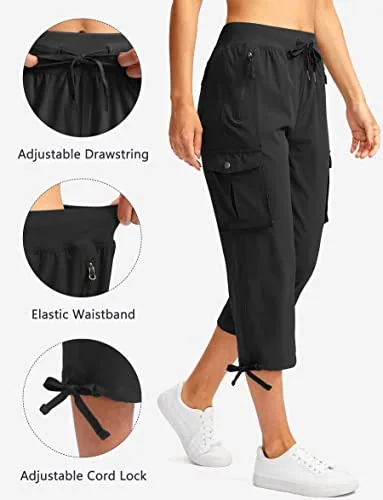
Fleece lining: brushed, not woven
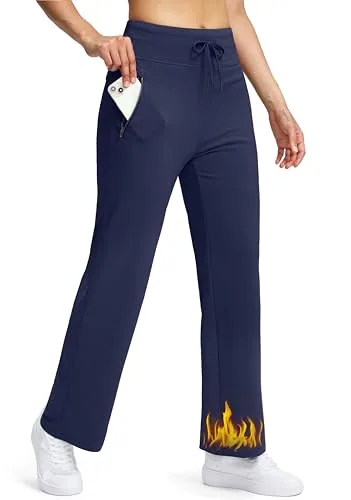
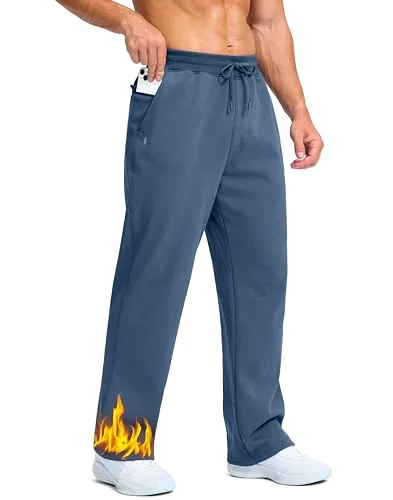
10 styles here are fleece lined, and the lining is a brushed surface rather than a separate layer. Brushing raises loops of yarn into a nap that traps air, and that nap is the whole reason the pants are warm.
| Lining as stated | Styles |
|---|---|
| Inner Liner | 10 |
| Fleece Lined | 10 |
Heat flattens the nap and makes it pill. So does friction against rough fabric in the same load. Wash fleece-lined pants inside out, cold, with other soft things, and hang them. They dry slowly, and a day on a rack is the price of a lining that still feels brushed in March.
What a fleece lining is not is waterproof. A fleece-lined jogger in rain is a wet warm jogger, and it takes a long time to become a dry one.
Liners and built-in bras
10 styles carry an inner liner, and the tennis dresses and many tanks carry a built-in bra with removable pads. Both are fine stretch knit sewn to a heavier outer, and both are damaged by the outer rather than by the wash.
- Close every zipper before the machine. An open zipper on a back pocket saws at the liner for forty minutes.
- Take the pads out of a built-in bra and wash them in a mesh bag. Left in, they fold and set into a crease.
- Wash liner shorts inside out, so the liner is on the outside of the outer short and rubs against nothing.
- Dry flat or on a line. A liner in a hot dryer comes out shorter than the outer, and the pair never sits right again.
Liner shorts and yoga shorts
All shorts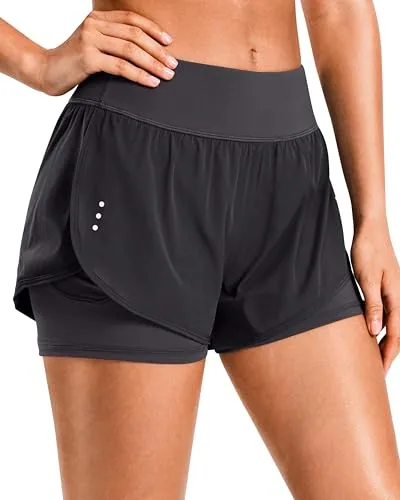
2 in 1 Running Shorts Workout Athletic Gym Yoga Shorts with Phone
4.3 out of 5 (6,724) $24.99 Sizes S to XL
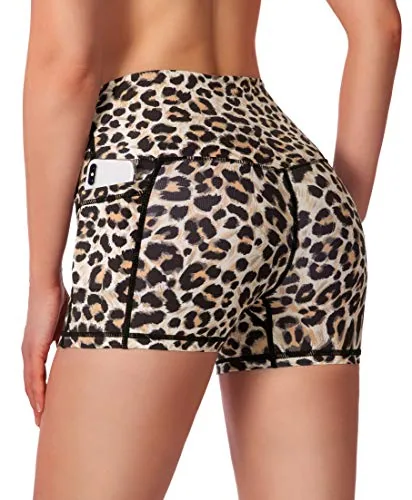
Workout Yoga Shorts 3 in / 5 in High Waist Spandex Shorts
4.4 out of 5 (4,143) $14.99 - $16.99 Inseam 3 in, 5 inElastic, salt and chlorine
Every waistband here is elastic, and the swim pieces are elastic all over. Two things age elastic faster than washing: heat, and the water it swims in.
Chlorine and salt both attack spandex. A swim skirt or rash guard rinsed in fresh water after every swim lasts seasons. One left wet in a bag until the next morning loses its recovery by August. Rinse, squeeze without wringing, and dry in shade, because direct sun fades the colour and heats the fibre at the same time.
A stretched-out waistband on joggers is nearly always a dryer story. The spandex in the band has a temperature past which it stops pulling back, and a hot dryer passes it in one cycle. Cold wash, line dry, and the drawstring keeps working for as long as the pants do.
Keeping a UPF rating
A rated sun shirt is rated for its weave. Anything that opens the weave, thins the yarn or stretches the knit lowers what the shirt does, and a dryer does all three at once. Wash cold, hang, and do not use bleach or fabric softener: softener coats the fibre and, on a wicking knit, stops it wicking. The sun guide on this site explains where the rating stops even on a new shirt.
A routine that takes four minutes
None of this needs a special detergent or a second machine. It needs a habit, and the habit is short.
- Empty the pockets and close the zippers. A key in a liner pocket and an open zipper are the two things that tear activewear in a wash.
- Turn technical pieces inside out. Fleece linings, liners and printed panels rub against nothing and pill less.
- Cold water, ordinary detergent, no softener. Softener coats wicking fibre and stops it wicking, and it does the same to a UPF weave.
- Wash with soft things. Towels and jeans in the same load are sandpaper to a knit.
- Hang or lay flat. A dryer on low is survivable for cotton sweatpants and a crewneck. For anything with spandex, the line is the only setting that keeps the recovery.
- Rinse swim in fresh water the same day. Not the next morning.
Fleece-lined pants dry slowly on a rack, and a day is normal. If that day is the problem, buy two pairs rather than use a dryer on one.
When a piece is done
Technical fabric fails quietly. The signs, in the order they usually appear, are these. A waistband that needs the drawstring where it did not before. A liner that has gone loose or has pilled into a rough surface. Elastic that has a crackle in it when stretched, which is the spandex breaking. A rated shirt that has gone thin enough to see a hand through when held to a window.
The first two are comfort. The last two mean the piece has stopped doing its technical job, and a sun shirt you can see through is a shirt, not a sun shirt. Retire it to gardening and buy the same one again: the sun department and the shorts department both keep the styles that people rate most at the top of the grid.
Sizing that survives the wash
A knit that is not dried with heat keeps its size, so buy the size that fits today and not the size you expect it to shrink to. The table counts the styles we list by size, women's and men's, and the men's golf pants add waist sizes in inches on their own pages.
| Size | Women's styles | Men's styles |
|---|---|---|
| XX-Small | 2 | |
| X-Small | 8 | 1 |
| Small | 32 | 1 |
| Medium | 48 | 10 |
| Large | 46 | 11 |
| X-Large | 25 | 9 |
| XX-Large | 11 | 5 |
| 3X-Large | 5 | 1 |
| 33 in waist | 1 | |
| 34 in waist | 2 | |
| 36 in waist | 2 |
If you sit at either end of that table, filter by size before falling for a colour. And if you are between sizes on a drawstring pair, the shorts guide explains why the hips decide.
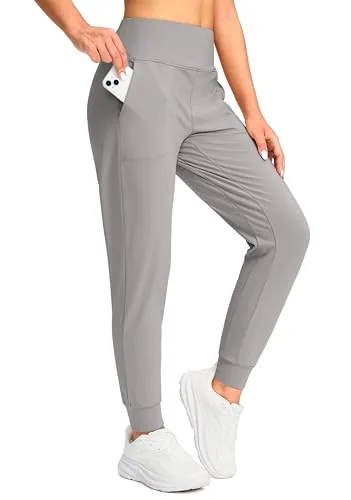
Fleece-lined pieces on the cold-weather page
All cold weather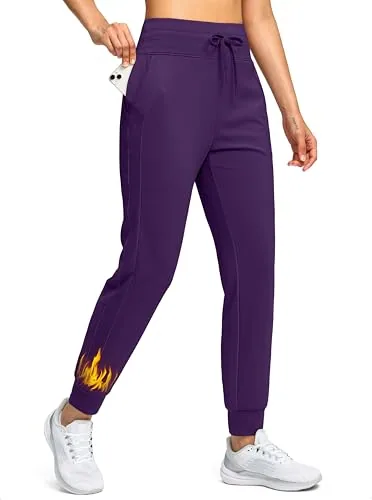
Sources we read
| Source | Published by | Read |
|---|---|---|
| 16 CFR Part 423, Care Labeling of Textile Wearing Apparel | Federal Trade Commission | 4 September 2026 |
| 16 CFR Part 303, Textile Fiber Products Identification Act | Federal Trade Commission | 4 September 2026 |